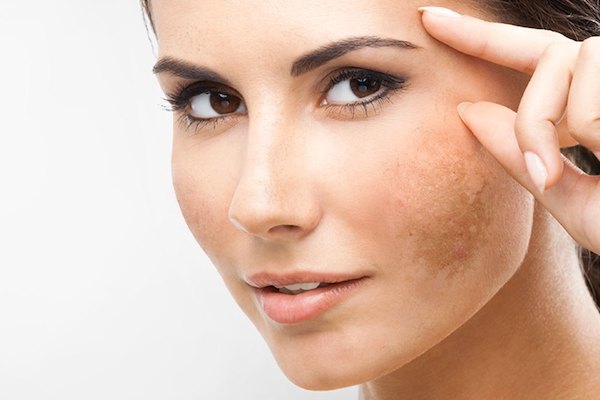
ADVANCED MELASMA CARE
GET THE BEST MELASMA
TREATMENTS
REQUEST FOR YOUR
Consultation
Melasma Treatments
Unveiling the Mystery: Understanding and Managing Melasma
Melasma sometimes called the "mask of pregnancy," can be a frustrating skin condition characterized by patches of darker pigmentation on the face. While it's most common in pregnant women and individuals with darker skin tones, anyone can experience it. This article aims to shed light on melasma, its causes, and effective management strategies.
What is Melasma?
Melasma is a hyperpigmentation disorder that causes brown or grey-brown patches on the face, typically on the forehead, cheeks, chin, and upper lip. While the exact cause remains unclear, several factors contribute to its development, including:
- Hormonal fluctuations: Pregnancy, birth control pills, and hormone therapy can trigger melasma.
- Sun exposure: Sunlight is a major trigger, as it stimulates melanin production, the pigment responsible for skin colour.
- Genetics: Having a family history of melasma increases your risk.
- Skin type: Individuals with darker skin tones are more prone to melasma.
Management Strategies:
While there's no single "cure" for melasma, several effective treatments can help manage the condition:
- Sun protection: This is the cornerstone of melasma management. Use a broad-spectrum sunscreen with SPF 30 or higher daily, even on cloudy days. Consider wide-brimmed hats and sun-protective clothing for added protection.
- Topical medications: Creams and lotions containing ingredients like hydroquinone, kojic acid, azelaic acid, and tretinoin can lighten the skin and improve pigmentation.
- Chemical peels: These exfoliating treatments can remove the top layer of skin, revealing brighter, more even-toned skin.
- Laser treatments: Specific lasers can target and reduce excess melanin, but consultation with a qualified dermatologist is crucial.
- Oral medications: In severe cases, oral medications like tranexamic acid may be prescribed to regulate hormone levels and reduce pigmentation.
Remember:
- Consistency is key: It may take several weeks or months to see results, so consistent use of medications and sun protection is vital.
- Professional guidance is crucial: Consult a dermatologist for personalized diagnosis and treatment recommendations.
- Managing triggers: Minimize sun exposure and avoid hormonal triggers if possible.
- Patience is essential: Melasma can be a chronic condition, so managing expectations and practising self-care are important.
Embrace Your Journey:
Melasma can be challenging, but with proper knowledge and management, you can achieve clearer, more even-toned skin. Remember, you're not alone in this journey. Talk to your dermatologist and explore the options available to unveil your confident, radiant self.
Disclaimer: This blog is for informational purposes only and should not be substituted for professional medical advice. Always consult with a qualified dermatologist for personalized diagnosis and treatment of melasma.
Contact Details
Genetics Skin and Aesthetic Clinic ,
302 MHKS Spaces, chitnavis layout, Nelson square, Nagpur 440013
Contact no.: 9226906565
Email: geneticsaesthetic@gmail.com