ADVANCED ROSACEA CARE
GET THE BEST ROSACEA
TREATMENTS
REQUEST FOR YOUR
Consultation
Rosacea Treatments
Beyond the Blush: Understanding and Managing Rosacea
Rosacea, often mistaken for simple blushing, is a chronic inflammatory skin condition that affects millions worldwide. While it can be frustrating and impact self-esteem, understanding the triggers and implementing effective management strategies can empower you to take control and achieve a calmer, healthier complexion.
Unveiling the Blush:
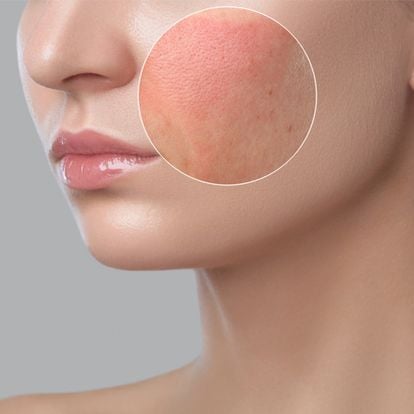
Rosacea typically presents with facial flushing and redness, often concentrated around the cheeks and nose. However, its symptoms can vary and may include:
- Persistent redness: This can range from mild flushing to a constant crimson hue.
- Visible blood vessels: Tiny broken blood vessels, called telangiectasia, may become noticeable.
- Bumps and pimples: Some forms of rosacea can cause small, red bumps or pustules.
- Eye involvement: Ocular rosacea can lead to dryness, irritation, and even burning sensations in the eyes.
Triggering the Blush:
While the exact cause of rosacea remains unknown, several factors can trigger flare-ups, including:
- Sun exposure: This is a major trigger for most rosacea sufferers.
- Spicy foods and alcohol: These can cause vasodilation, leading to increased redness.
- Hot beverages and spicy foods: Similar to above, they can cause temporary flushing.
- Stress and emotions: Emotional triggers like anxiety or anger can worsen symptoms.
- Skincare products: Harsh ingredients or fragrances can irritate sensitive rosacea-prone skin.
- Certain medications: Some medications, like corticosteroids, can worsen rosacea.
Calming the Blush:
There's no single "cure" for rosacea, but effective management strategies can significantly improve symptoms:
- Trigger identification and avoidance: Recognizing and avoiding your personal triggers is crucial for minimizing flare-ups.
- Gentle skincare: Opt for fragrance-free, non-comedogenic products specifically formulated for sensitive skin.
- Sun protection: Daily use of broad-spectrum SPF 30+ sunscreen is essential to prevent sun-induced flares.
- Topical medications: Creams and gels containing metronidazole, azelaic acid, or ivermectin can reduce redness and inflammation.
- Oral medications: Antibiotics or other oral medications may be prescribed in severe cases.
- Laser treatments: Specific lasers can target visible blood vessels and improve the appearance of rosacea.
Remember:
- Professional guidance is key: Consult a dermatologist for accurate diagnosis and personalized treatment recommendations.
- Consistency is crucial: Most treatments require consistent use for several weeks or months to see results.
- Manage expectations: Rosacea is a chronic condition, but effective management can significantly improve your quality of life.
- Self-care is essential: Stress management, healthy eating, and regular sleep can contribute to overall skin health and well-being.
Embrace Your Radiant Self:
Living with rosacea can be challenging, but remember, you are not alone. By understanding your triggers and exploring available management strategies, you can take control and achieve a calmer, more confident complexion. Remember, beautiful skin is not about perfection, but about embracing your unique self and taking care of your overall well-being.
Disclaimer: This blog is for informational purposes only and should not be substituted for professional medical advice. Always consult with a qualified dermatologist for personalized diagnosis and treatment of rosacea.
Contact Details
Genetics Skin and Aesthetic Clinic ,
302 MHKS Spaces, chitnavis layout, Nelson square, Nagpur 440013
Contact no.: 9226906565
Email: geneticsaesthetic@gmail.com